
Raw & Living Foods · Est. 2014
Safety and Compliance Checks for Commercial EV Charger Buyers
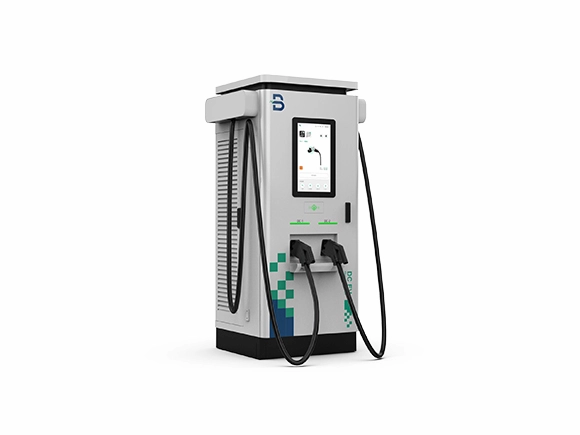 Safety and compliance checks protect both the project owner and the end user. Many charging projects look straightforward at the quotation stage, but the operating reality is more demanding. Once users depend on the site, small planning gaps can become visible through downtime, queues, poor communication, or unexpected maintenance cost.
Project teams should review certification scope, electrical protection, connector quality, enclosure rating, and installation documentation. These factors help determine whether the site can operate reliably after installation. A charger that is technically capable may still perform poorly if the site lacks monitoring, spare parts, clear service ownership, or a realistic plan for future expansion.
For buyers who want a concrete reference while comparing options, EVB’s certified EV charger solutions can be reviewed alongside project requirements, site limitations, and long-term operating needs.
For buyers, the evaluation should include both hardware and operating support. Ask how faults are detected, how software updates are handled, which components are easy to replace, how warranty claims work, and whether the supplier can support multiple sites with consistent documentation and service logic.
Strong EV charging operations are built before the first charger goes live. The best projects define responsibilities, technical requirements, service procedures, and expansion paths early. That approach helps operators avoid treating each problem as a surprise and makes the charging network easier to manage as demand grows.
Safety and compliance checks protect both the project owner and the end user. Many charging projects look straightforward at the quotation stage, but the operating reality is more demanding. Once users depend on the site, small planning gaps can become visible through downtime, queues, poor communication, or unexpected maintenance cost.
Project teams should review certification scope, electrical protection, connector quality, enclosure rating, and installation documentation. These factors help determine whether the site can operate reliably after installation. A charger that is technically capable may still perform poorly if the site lacks monitoring, spare parts, clear service ownership, or a realistic plan for future expansion.
For buyers who want a concrete reference while comparing options, EVB’s certified EV charger solutions can be reviewed alongside project requirements, site limitations, and long-term operating needs.
For buyers, the evaluation should include both hardware and operating support. Ask how faults are detected, how software updates are handled, which components are easy to replace, how warranty claims work, and whether the supplier can support multiple sites with consistent documentation and service logic.
Strong EV charging operations are built before the first charger goes live. The best projects define responsibilities, technical requirements, service procedures, and expansion paths early. That approach helps operators avoid treating each problem as a surprise and makes the charging network easier to manage as demand grows.
Build your raw pantry
Cold-pressed. Never cooked. Shipped within 14 days of harvest.
480+ SKUs, curated bundles, and recurring subscriptions — all certified organic and below 118°F.